

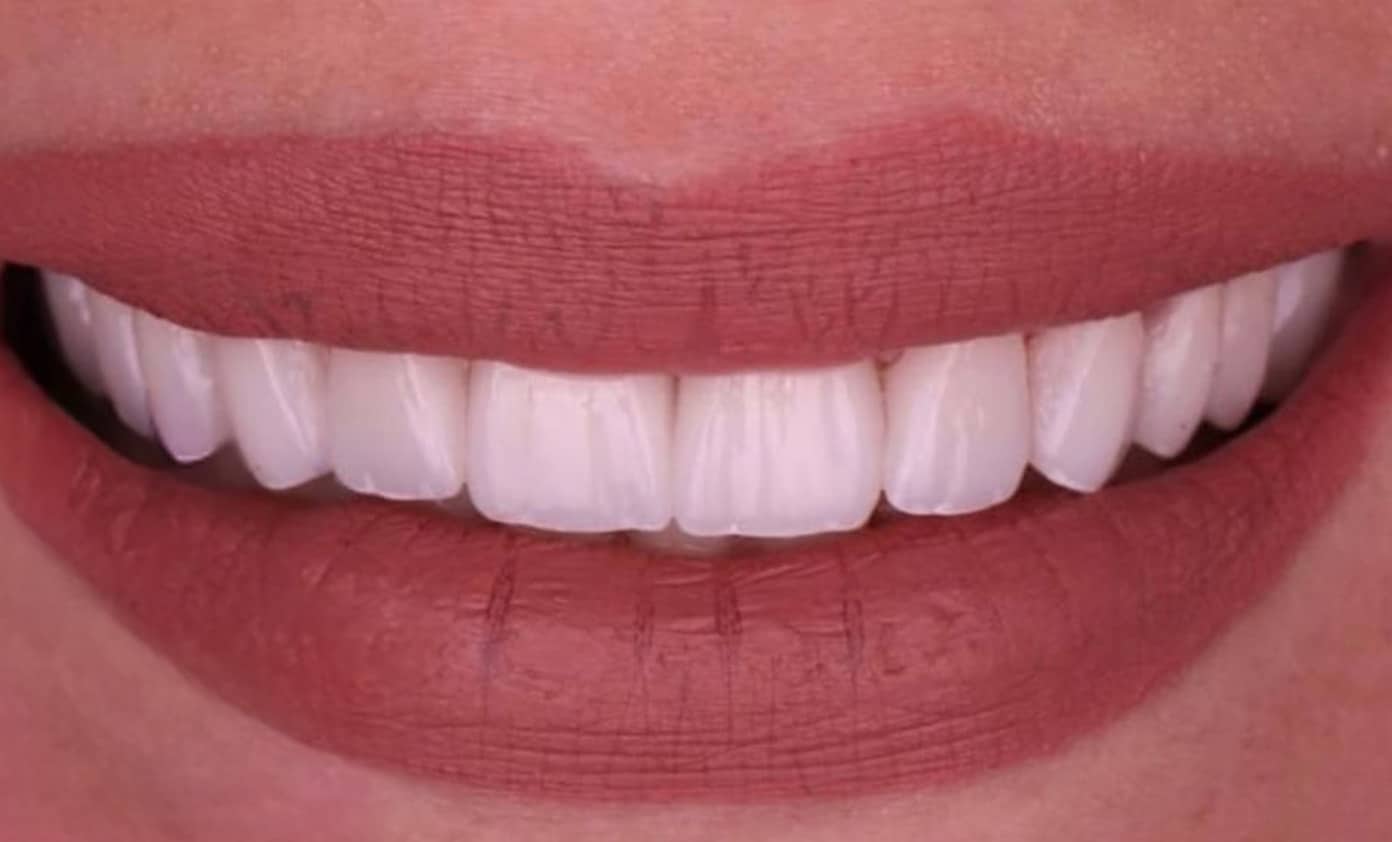
Composite resin veneers are a cosmetic dental treatment in which tooth-colored resin material is applied directly to the front surface of teeth (or indirectly lab-made), sculpted, polished, and cured to improve appearance. They are less expensive than porcelain veneers, can often be completed in fewer visits, and provide a more conservative option when appearance, cost, or time are concerns.
What they address
-
Minor chips or cracks
-
Discoloration
-
Uneven or slightly misaligned teeth
-
Closing small gaps between teeth
-
Smile improvements without lab-fabricated porcelain
Procedure steps
-
Initial consultation: assessment of tooth structure, color match, whether composite bonding or veneer is best.
-
Tooth preparation: usually minimal—sometimes just roughening or etching surface to allow bonding.
-
Color matching: choosing resin shade that matches or improves appearance.
-
Application in layers: resin is applied, shaped, sometimes multiple layers, then light cured to harden. restorationsmiles.com+1
-
Sculpting & finishing: polishing, smoothing, checking edges and bite fit.
Benefits
-
Cost-effective: less expensive than porcelain veneers.
-
Faster treatment time: often done in one visit.
-
Reversible to a degree: less enamel removal needed.
-
Easier to make adjustments or repairs.
Limitations
-
Less durable: more likely to chip or stain.
-
Maintenance: may require polishing, possible replacement earlier than porcelain.
-
Not always ideal for more severe cosmetic issues or long-term endurance.