

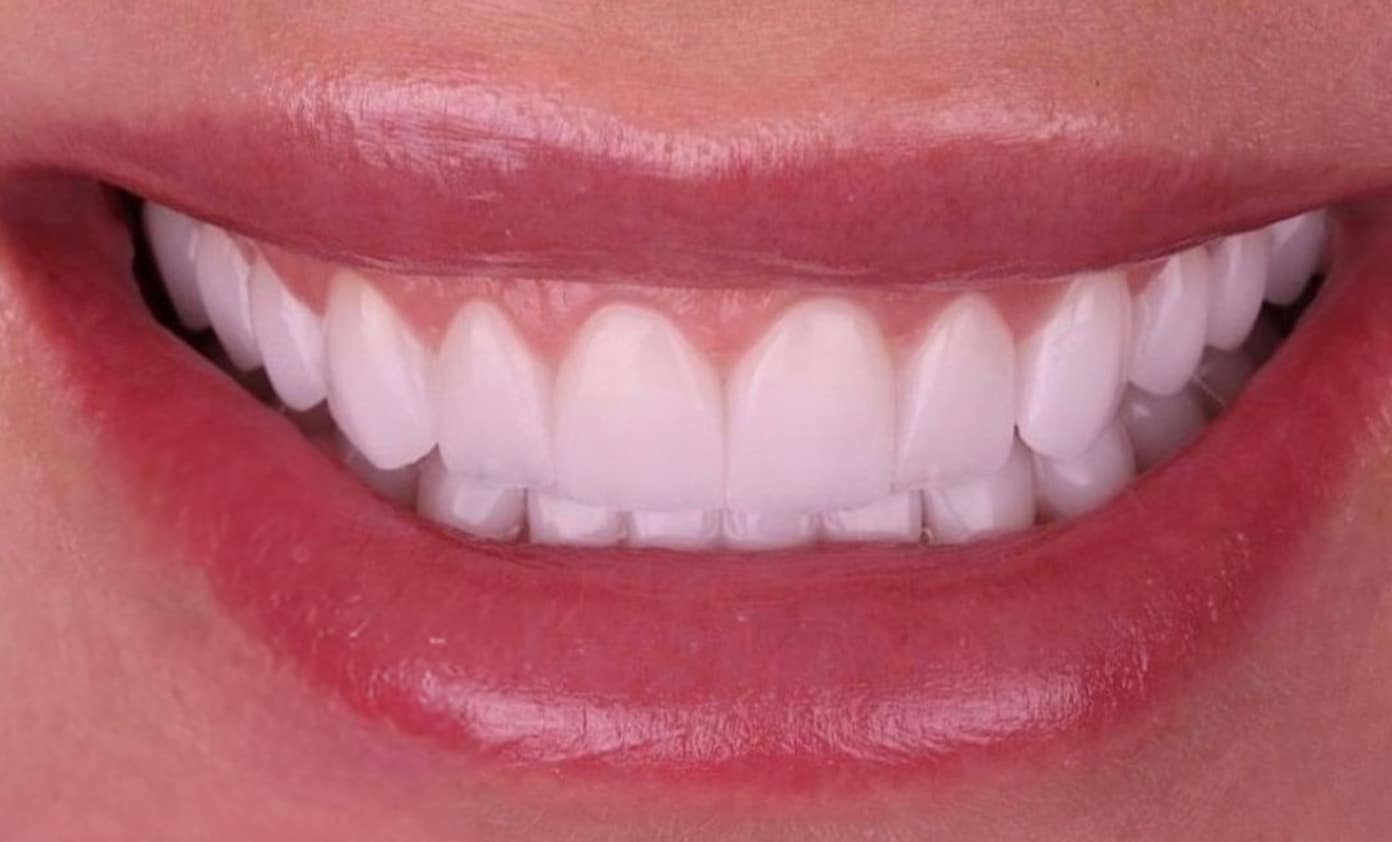
An “Amalgam to Resin Fill” refers to the procedure of replacing old amalgam dental fillings (silver/metal ones) with tooth-colored composite resin fillings. This is often done for aesthetic reasons, or because patients prefer a more modern, mercury-free material. It also helps improve how natural teeth look, especially in visible areas of the smile.
What amalgam fillings are
-
Amalgam fillings are made from a mixture of metals including mercury, silver, tin, and copper. They are durable, cost-effective, and have been used for many years. U.S. Food and Drug Administration+1
-
However, they are noticeable (silver color), and some people dislike the aesthetics or potential cosmetic impact.
Why replace with resin composite
-
Composite resin (tooth-colored filling) can be matched to the natural shade of your teeth, making the restoration much more discreet. U.S. Food and Drug Administration+2Babylon Dental Care+2
-
Resin bonding preserves more tooth structure compared to amalgam in many cases. Because resin adheres to the tooth, less aggressive preparation may be required. restorationsmiles.com+1
-
Composite fillings don’t contain mercury, which is a concern for some patients.
The procedure
-
Examine the existing amalgam: assess its condition, any decay around it, and its suitability for replacement.
-
Numbing / anesthesia: ensure comfort during removal of old filling.
-
Removal of old amalgam: carefully remove the amalgam filling, often using techniques or suction to minimize mercury vapor exposure. madisonfamilydental.com+1
-
Clean and prepare the cavity: remove decay, shape the cavity, ensure clean surface.
-
Apply bonding agent, then fill in layers of composite resin. Each layer is hardened (cured) using a light. restorationsmiles.com+2U.S. Food and Drug Administration+2
-
Shape and polish: restore natural contours, polish surfaces to blend seamlessly with tooth, check bite alignment.
Pros & cons
Pros:
-
Aesthetics: blends with natural teeth.
-
Conserves tooth structure.
-
Mercury-free.
-
Can improve overall smile appearance, especially where old amalgam is visible.
Cons:
-
Composite resin may not last as long in heavy chewing areas compared to amalgam, especially if not well maintained.
-
Higher cost than amalgam in some settings.
-
More sensitive to staining over time than porcelain or some dental materials.