

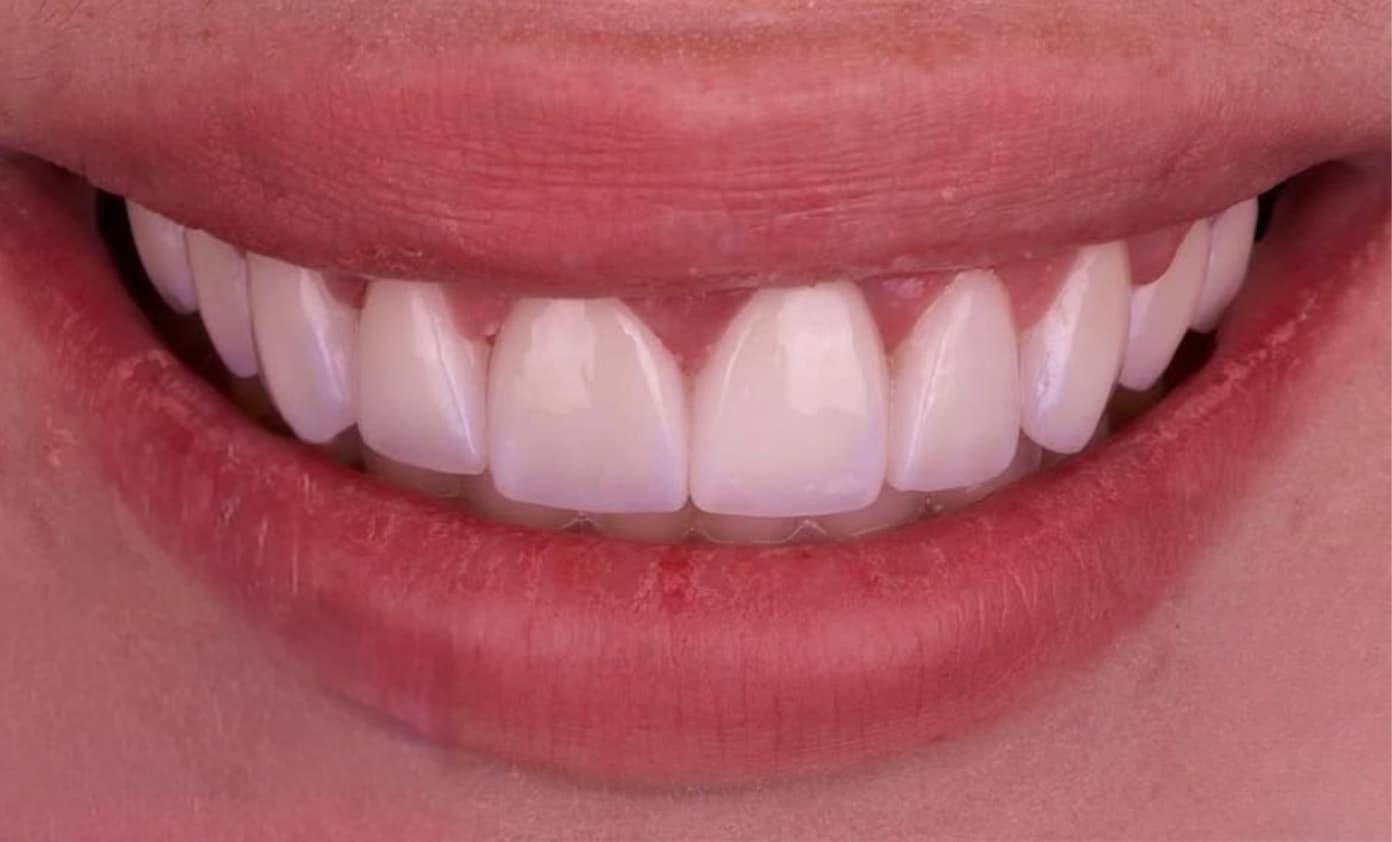
A dental bridge is a prosthetic device used to replace one or more missing teeth. In the case of a single-tooth bridge, the missing tooth is replaced by an artificial tooth (pontic) supported by adjacent teeth which are prepared to hold crowns, or supported by implant(s). The bridge restores function (chewing, speaking) and appearance, preventing remaining teeth from shifting.
Types of Dental Bridge
-
Traditional bridge: uses crowns on adjacent teeth.
-
Cantilever bridge: anchored on only one side.
-
Implant-supported bridge: uses implants for support.
Procedure outline
-
Assessment of missing tooth/teeth, bone, adjacent teeth health.
-
Preparation of abutment teeth: these are shaped to receive crowns.
-
Impressions or scans: to fabricate the bridge and crowns.
-
Try-in: adjust fit, shape, shade.
-
Cementation: bridge fixed in place permanently.
-
Aftercare: hygiene under and around bridge, regular dental checkups.
Advantages & challenges
Advantages:
-
Restores smile appearance.
-
Improves chewing and speaking.
-
Helps maintain alignment by preventing drift of adjacent teeth.
Challenges:
-
Requires adjacent teeth alteration (crowns).
-
Hygiene more demanding: must clean under pontic properly.
-
If abutment teeth are weak, may require additional support or implants.