

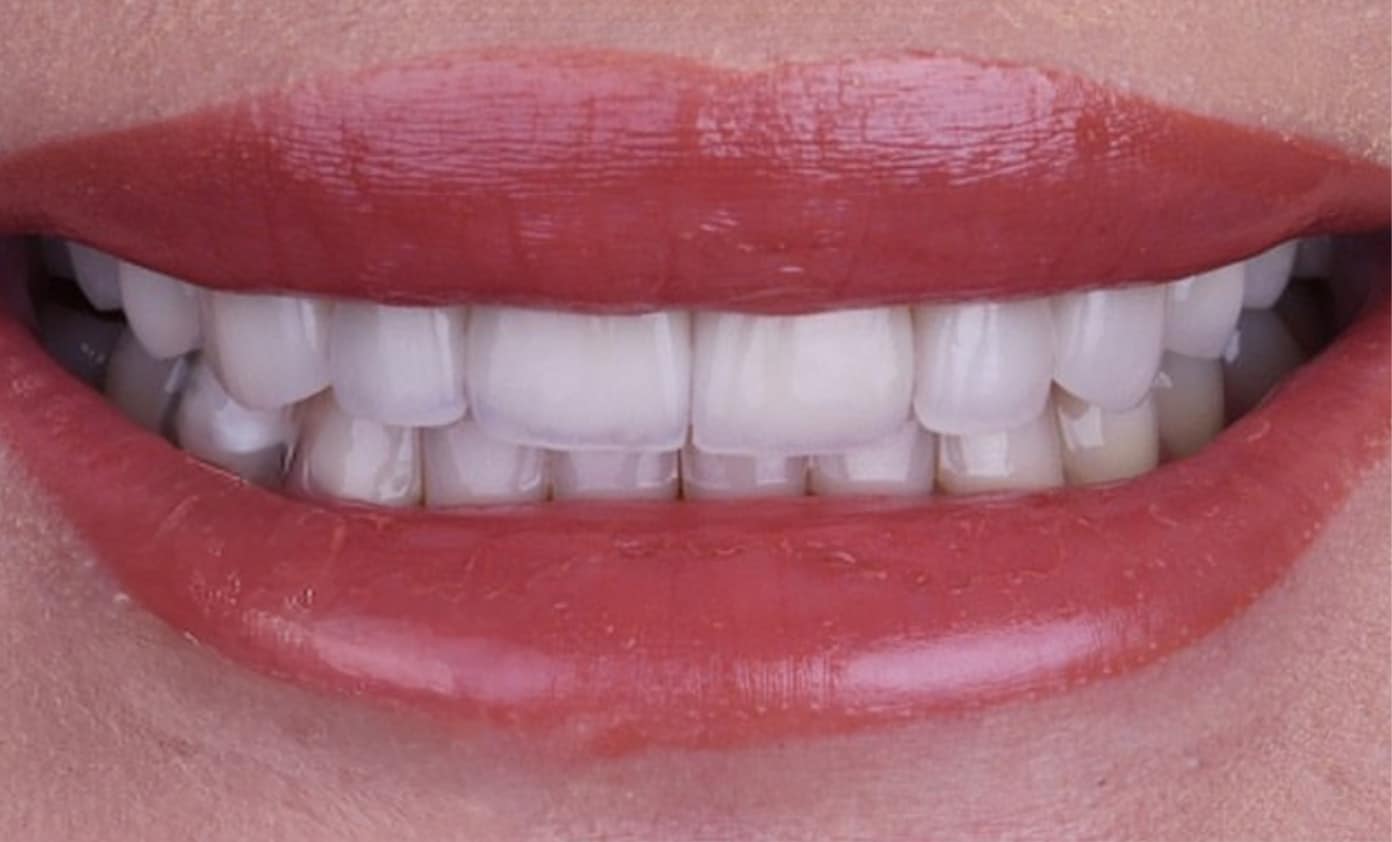
A zirconia crown is a full-coverage restoration made from zirconium dioxide (a durable ceramic). Unlike veneers, which cover only the front of a tooth, crowns encase the entire visible portion of a tooth (occlusal, facial, lingual surfaces). They are used when teeth have significant damage, root canal treatment, large fillings, fractures, or when strength, durability, and full protection are required.
Advantages of Zirconia Crown
-
Exceptional strength and durability: resistant to cracks, chipping, and wear. mynjdentist.com+3Lynna Pillai, DMD+3blog.ddslab.com+3
-
Biocompatibility: generally well tolerated by gums and oral tissues.
-
Good for high-stress situations (molars, bridges).
-
Better aesthetics than metal crowns: newer zirconia crowns can mimic translucence and color of natural teeth. Lynna Pillai, DMD+2haleyeschmittdds.com+2
The process
-
Evaluation and preparation: tooth is shaped, decayed parts removed, scan or impression taken.
-
Digital design / lab work: crown is fabricated using CAD/CAM or milled from zirconia block.
-
Fitting: crown tried for fit, shade, contour, bite alignment.
-
Cementation: permanently bonded in place.
-
Aftercare: good hygiene, avoid excessive forces or grinding, regular dental visits.
Considerations
-
More tooth reduction needed compared to veneers, since full coverage.
-
Cost: typically higher than many types of crowns with metal.
-
Sometimes less translucency than porcelain in front teeth; shade matching is important.